
Plant families
Overview→ Families→ Genera→ Species
Four families from the supplied PlantsData selection are represented here. Each links to two genera and four selected species.
Dipterocarpaceae
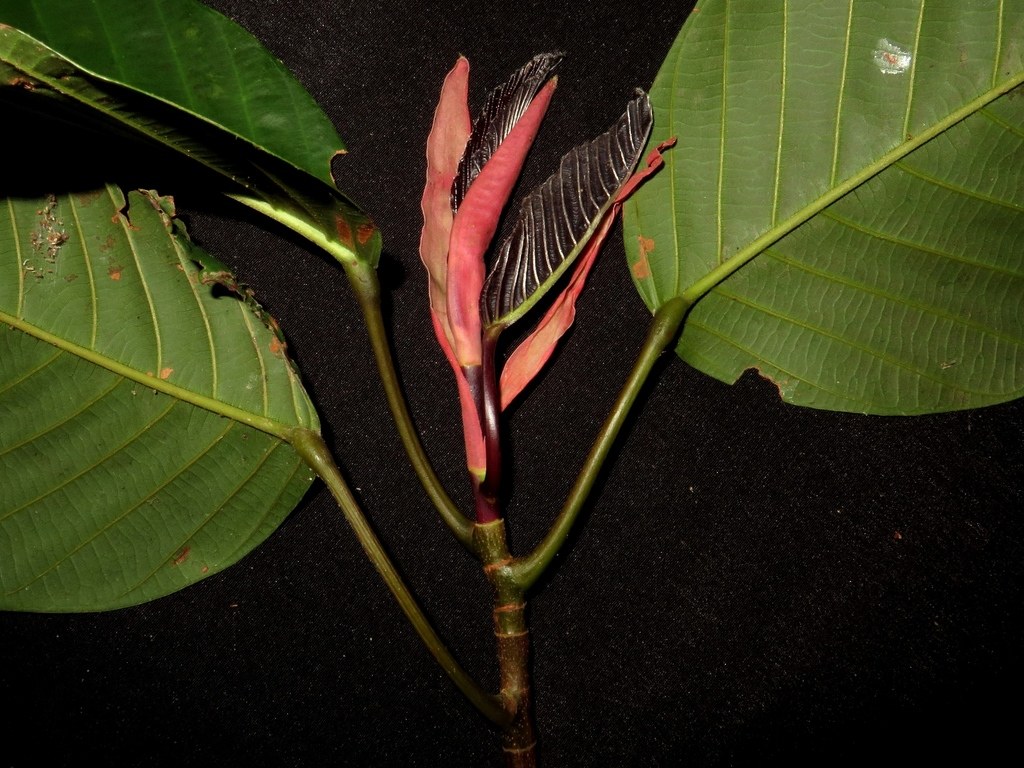
Family 01 / Giants of the forest
Begin with Vatica and Dipterocarpus. These two genera belong to Dipterocarpaceae, a family represented here by four tree species. Compare the reference photographs, then follow each genus to its species records.
Selected genera: Vaticaand Dipterocarpus. Each opens a pair of species. Botanical placement follows the linked species records.
Botanical source: NParks.
Lauraceae
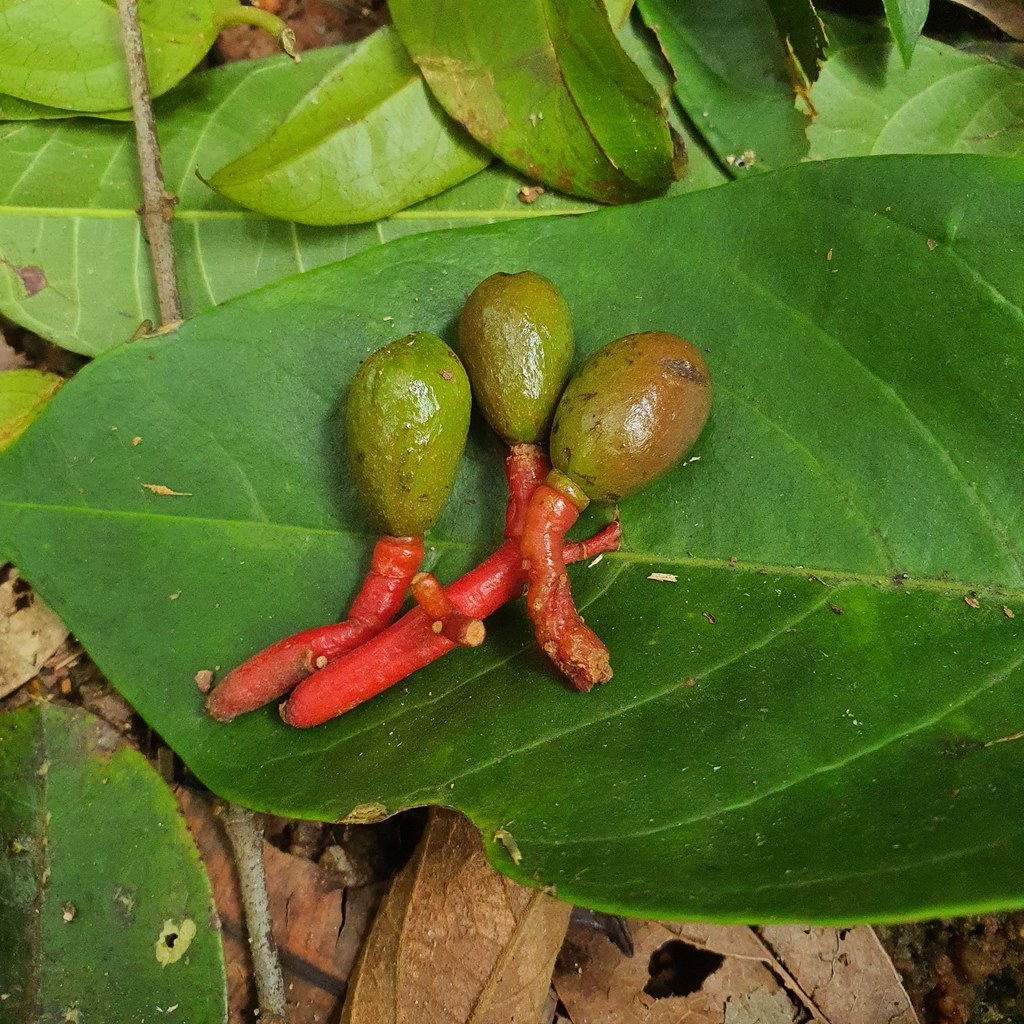
Family 02 / The laurel family
Explore Actinodaphne and Beilschmiedia. Both genera belong to Lauraceae. Our selection connects four species with their botanical sources, helping you move from a family name to a more precise identification.
Selected genera: Actinodaphneand Beilschmiedia. Each opens a pair of species. Botanical placement follows the linked species records.
Botanical source: Kew POWO.
Burseraceae
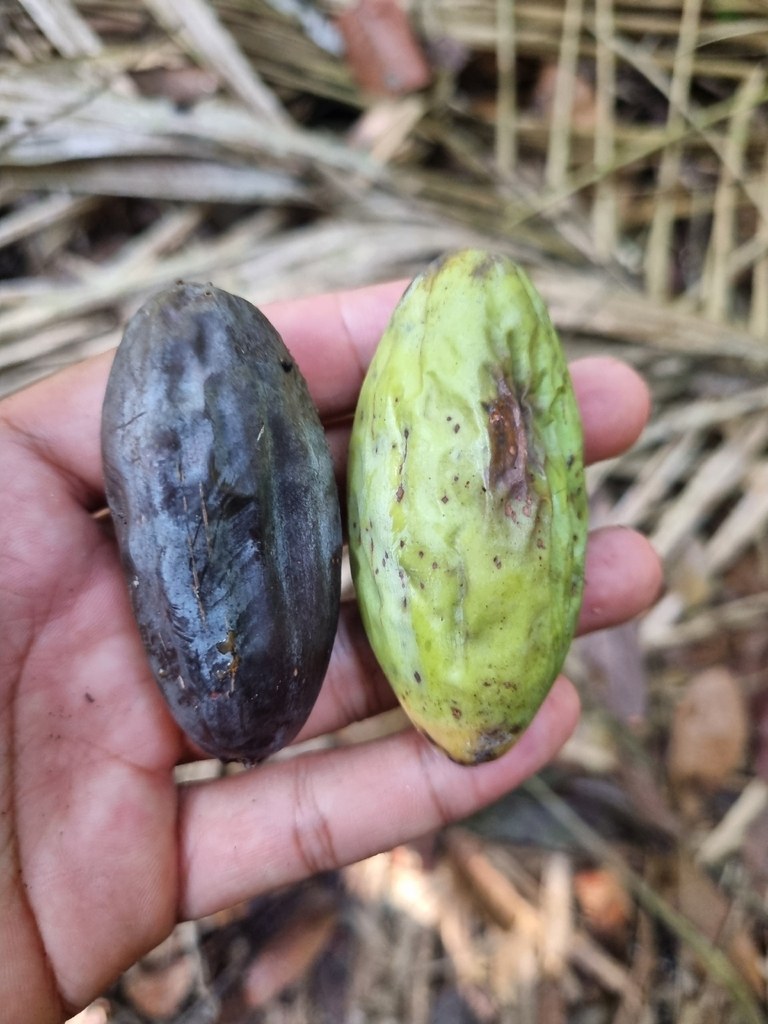
Family 03 / Resin & rainforest fruits
Meet Canarium and Dacryodes. This collection includes dabai and three related forest trees. The genus links let you compare the names without confusing a shared local name with a scientific classification.
Selected genera: Canariumand Dacryodes. Each opens a pair of species. Botanical placement follows the linked species records.
Botanical source: NParks.
Myristicaceae
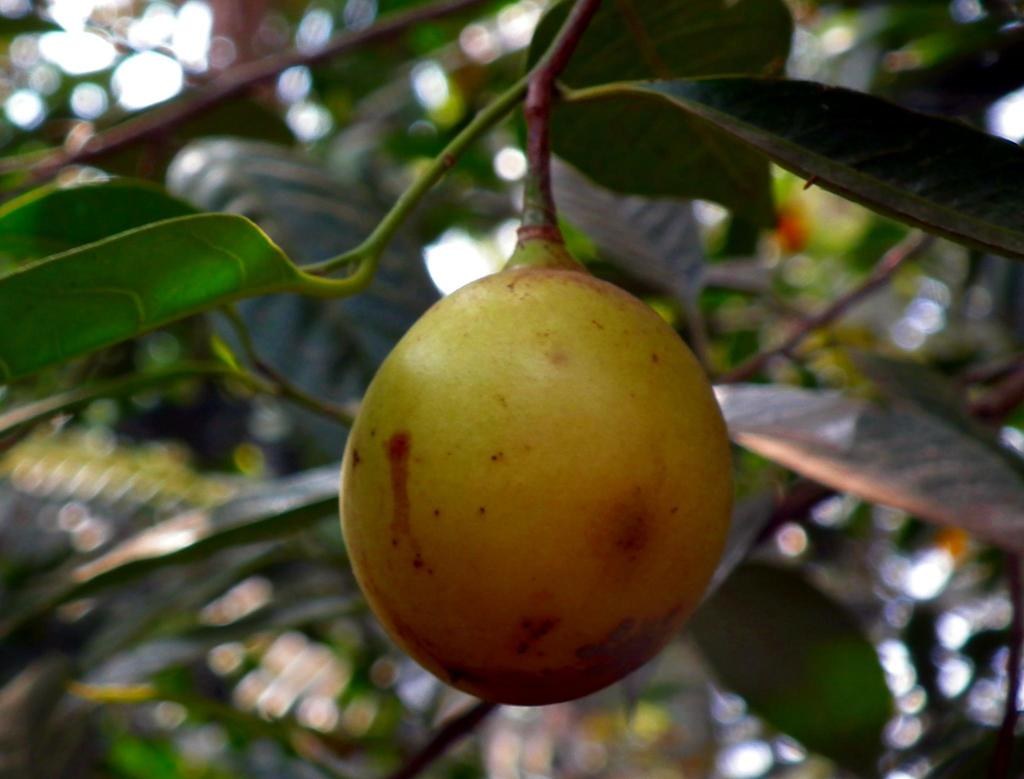
Family 04 / The nutmeg family
Discover Horsfieldia and Myristica. The familiar cultivated nutmeg sits alongside regional forest species. The catalogue distinguishes an introduced crop from native plants so that location information stays meaningful.
Selected genera: Horsfieldiaand Myristica. Each opens a pair of species. Botanical placement follows the linked species records.
Botanical source: Kew POWO.
Using the guide responsibly
You can begin a useful observation without knowing a plant's name. First record what you can see, then compare the evidence with a reliable description. Our collection deliberately includes four families, two genera from each family and two species from each genus. These numbers describe this learning website, not the total diversity of the groups. Follow the classification links to move between a broad group and a particular plant.
A reference photograph may show a leaf, a fruit or a preserved specimen. It cannot show every feature of a living tree. Read the caption and the linked botanical record before drawing a conclusion. The regional location in a record describes a published distribution; it does not necessarily identify where the photograph was taken. A cultivated plant can also occur outside its native range. Keep these distinctions in your notes.
Record an observation
- Photograph the whole plant and its surroundings from a safe, permitted position.
- Add close views of leaves and any visible flowers or fruit without collecting them.
- Write the date, general location and features you actually observed.
- Compare the sources and ask for help if the evidence is incomplete.
Classification terms
- Family
- A group containing related genera.
- Genus
- A group within a family; its name forms the first part of a species name.
- Species
- The level represented here by a two-part scientific name.
Naming reference: International Association for Plant Taxonomy. The observation workflow is original project guidance.
Classification reference
The rows show the selected species, grouped by family and genus. Botanical references are linked beside each species description.